Battery Charging Animation in 2025: Beyond Functionality to Delight
In 2025, battery charging animations have become subtle yet powerful elements of user experience design. What once started as simple spinning icons or static progress bars has grown into a nuanced language that communicates device status, brand personality, and user comfort. This article explores the evolution, current trends, psychology, technologies, best practices, and future directions of battery charging animations as we see them in 2025.
1. Introduction: A Small Interaction with Big Impact
Every smartphone user is familiar with the moment when they plug in their device and watch the battery icon animate. That tiny visual cue conveys lots of information — how much charge is left, whether the device is charging quickly, and even how long until full. While seemingly minor, battery charging animations contribute significantly to modern product experiences. By 2025, this interaction has evolved into a design touchpoint that blends aesthetics, clarity, and technology.
2. The Evolution of Charging Animations
Charging indicators began as rudimentary icons on early mobile devices and laptops — usually static bars or small lightning symbols. As screens became more capable and users more discerning, designers experimented with dynamic elements:
- 2000s: Simple fill-level bars and blinking indicators.
- 2010s: Animated circles, pulsing icons, and percentage counters.
- 2020s: Immersive animations tied to hardware capabilities (OLED effects, lighting around device bezels).
- 2025: Contextual, adaptive, and brand-aware animations — not just functional, but expressive and informative.
By 2025, battery animations are part of a device’s identity, reinforcing brands and delighting users while remaining unobtrusive.
3. Why Charging Animations Matter
3.1 Communicating Information at a Glance
Good charging animations communicate multiple pieces of data without overwhelming the user:
- Charge level (e.g., 0% to 100%)
- Charging speed (normal vs. fast charge)
- Temperature warnings or charging issues
- Estimated time remaining
Rather than static numbers, animation helps the brain process this data quickly and intuitively.
3.2 Reducing User Anxiety
Low battery anxiety is real — studies show that users often experience stress at low battery levels. Thoughtfully designed charging animations can reduce this anxiety by:
- Giving clear feedback that charging is happening
- Showing progress in a reassuring, smooth manner
- Using color psychology (greens and blues have calming effects)
3.3 Enhancing Brand Experience
Designers now treat the charging interaction as an opportunity to reinforce brand values. For example:
- A rugged outdoor device might show earthy, tactile animations.
- A luxury smartphone might use polished transitions and subtle haptics.
- Eco-focused brands might animate renewable energy motifs.
4. Key Trends in 2025
4.1 Adaptive Animations Based on Context
Modern charging animations change based on:
- Time of day: Soothing animations at night vs. energetic during the day.
- Charging mode: Fast charge might use bold, kinetic visuals; trickle charge uses relaxed, smooth motion.
- User preferences: Dark mode, accessibility motion reduction settings, and color customization.
This adaptability makes the experience feel more personal and less generic.
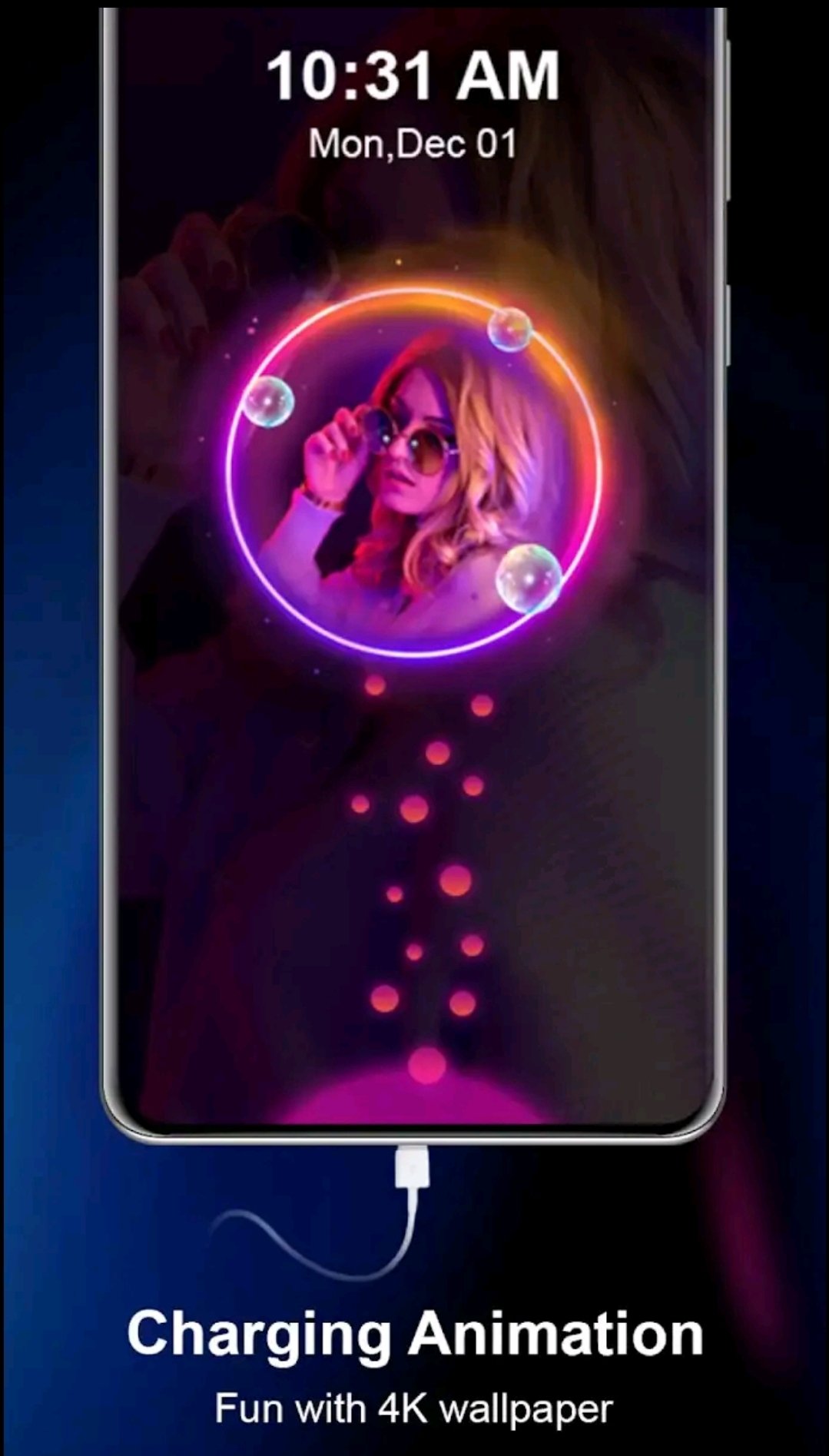
4.2 3D and Depth Effects
With more devices supporting advanced graphics (including AR/VR peripherals), battery animations leverage:
- 3D models and shadows
- Depth-aware motion
- Parallax effects based on device orientation
These add richness without compromising clarity.
4.3 Neuro-Responsive and Biofeedback Designs
Emerging research explores animations that respond to physiological metrics like:
- Heart rate (e.g., calming animation if user is distressed)
- Ambient sound levels
While still niche, these bio-responsive designs point to future personalization.
5. Technical Implementation
Charging animations are implemented differently depending on the platform and hardware capabilities:
5.1 On-Device vs. System Level
- On-Device: Hardware displays (like smartwatches or fitness trackers) render animations locally.
- System Level: Mobile OS (iOS/Android) manages animations as part of the system UI.
Both require efficient code to avoid unnecessary battery drain.
5.2 Frameworks and Tools
Designers and engineers typically use:
- Lottie / JSON-based animation engines — lightweight and scalable
- OpenGL/Metal/Vulkan — for 3D and GPU-accelerated effects
- Web-based CSS/JS animations — for cross-platform hybrid devices
5.3 Performance Considerations
- Animations should not block interpolation of battery status.
- They must be lightweight to avoid additional battery drain.
- System resources are prioritized for charging logic over visuals.
6. UX Best Practices for 2025
6.1 Clarity Must Come First
No matter how visually impressive an animation is, the primary goal is to communicate battery status clearly. Common pitfalls include:
- Too fast or too slow animations (leading to confusion)
- Ambiguous graphics that obscure actual charge level
- Competing visual elements that distract from core information
Designers should follow these principles:
- Use intuitive metaphors (e.g., filling bar, rising levels)
- Leverage consistent color coding
- Provide redundant feedback (icon + percentage + subtle animation)
6.2 Respect User Settings
Many users prefer reduced motion due to motion sensitivity or preference. Respecting system accessibility settings is critical:
- Provide alternatives or simplified animation
- Avoid excessive motion or strobing
Inclusivity must be baked into design.
6.3 Animate with Purpose
Every motion should serve a purpose — either functional (conveying change) or emotional (calming, reinforcing brand). Gratuitous motion should be avoided.
7. Creative Examples in 2025
While individual implementations vary by brand, some popular trends include:
7.1 Gradient Fill with Pulse Feedback
A smooth gradient fill that pulses gently when fast charging — visually indicating charge intensity without overwhelming motion.
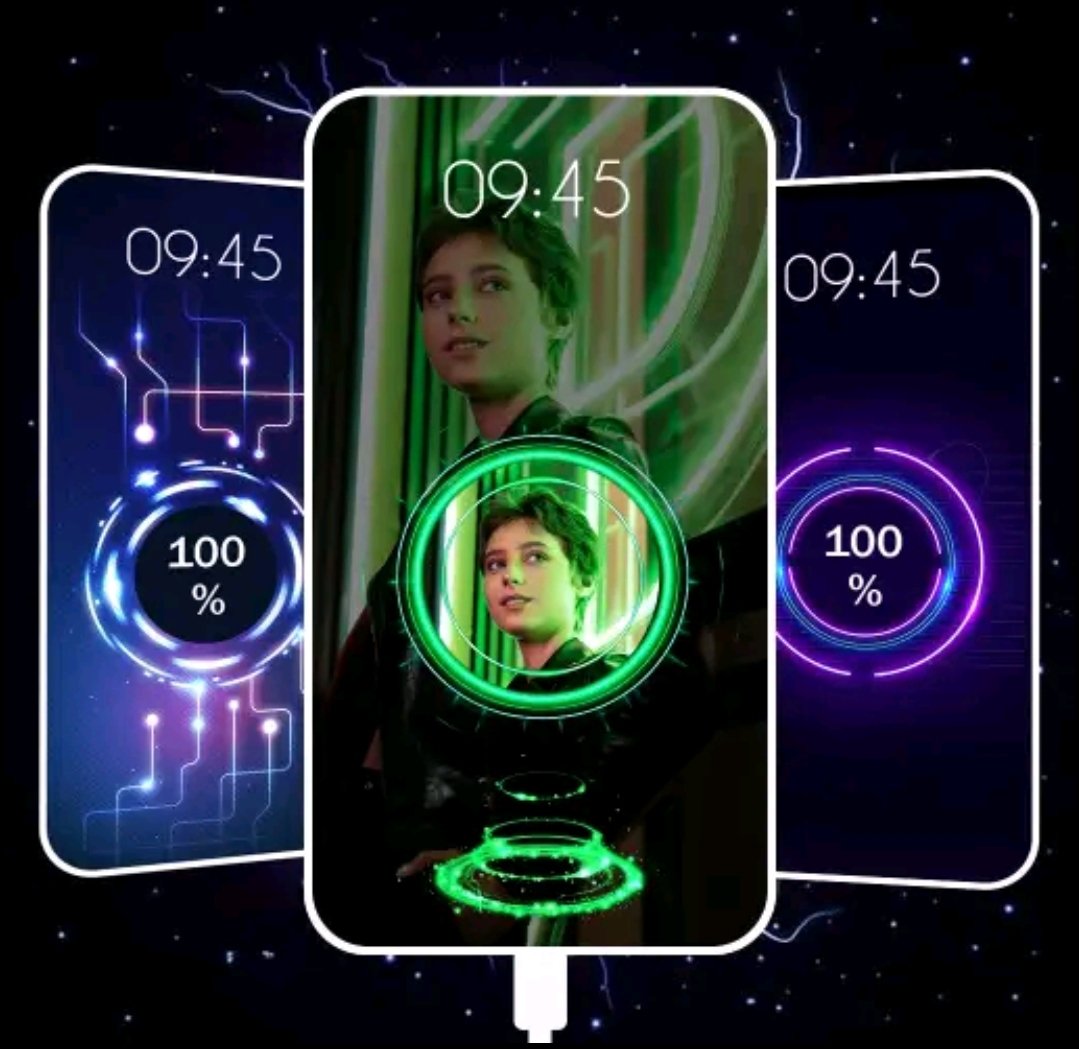
7.2 3D Ring with Depth Movement
A 3D ring around the battery icon that rotates as the charge increases, with depth parallax based on device tilt.
7.3 Character-Driven Mini Animation
Some devices use mascots or playful characters that react to charging — such as a robot that “wakes up” as the battery fills. Used sparingly to avoid distraction.
7.4 Ambient Background Transitions
Subtle changes in background color or lighting tied to battery percentage — for example, shifting from cool tones at full charge to warmer tones at lower charge.
8. Psychological Impact
Charging animations tap into human psychology:
- Progress feedback leverages the brain’s need for predictability.
- Smooth motion is perceived as more trustworthy and calming.
- Color psychology — greens and blues mitigate stress, while reds indicate urgency.
These cues reduce user anxiety and enhance satisfaction.
9. Challenges Ahead
Even in 2025, designers face challenges:
- Balancing aesthetics with performance: Overly complex animations can tax hardware.
- Maintaining clarity: Visual flair should never compromise core information.
- Cross-platform consistency: Ensuring similar experiences across devices with varying capabilities.
Addressing these continues to require close collaboration between designers and engineers.
10. What’s Next? The Future of Charging Animations
Looking forward, battery charging animations may evolve in several areas:
10.1 Extended Reality (XR) Interfaces
Devices with AR glasses or spatial computing could project charging status into the environment — floating around the device or synced to gestures.
10.2 Adaptive Emotional Response
Animations could adapt based on detected user mood — calming visuals when stress is detected, energetic visuals when user is relaxed.
10.3 Cross-Device Synchronization
When multiple devices charge together (phone, earbuds, watch), animations might coordinate — showing ecosystem-wide charging flow.
App Link
10.4 Energy Storytelling
Instead of just showing percentages, future animations could tell a “story” about energy — its source (solar charging), efficiency, and environmental impact.
11. Conclusion
Battery charging animations in 2025 are far more than mere UI flourishes. They are crafted experiences that communicate information, reduce user anxiety, reinforce brand identity, and delight users subtly. With advancements in adaptive design, context awareness, and richer graphics, designers are pushing the boundaries of what these small interactions can accomplish.
At the same time, the fundamentals remain the same: clarity, purpose, accessibility, and performance must guide every decision. When done well, the simple act of plugging in your device becomes an engaging, reassuring, and even uplifting moment — a perfect example of how small details in design can make a big difference.